

Well Chosen Words
As disciples of Jesus Christ, we are called to a new way of life—and a new way of speech. Our faith tradition reminds us that "death and life are in the power of the tongue" (Proverbs 18:21). Language is not value-neutral; the words we choose communicate our beliefs, carry our culture, and can create systems of insiders and outsiders. Well-chosen words have the power to build up, offer life, and reflect the fullness of God's love to everyone in our community.
The Presbyterian Church (U.S.A.) General Assembly has repeatedly affirmed the importance of inclusive and expansive language across fifteen assemblies—spanning from 1971 through 2018—encouraging its use in worship, education, theological reflection, and the broader life of the church.
Here is why adopting inclusive and expansive language in worship, sermons, scripture, prayer, and daily conversations matters, along with practical ways we can put it into practice.
Why Inclusive and Expansive Language Matters
Reflecting the Fullness of God (Expansive Language)
God cannot be limited to a single human category or a narrow set of traditional titles like "Father," "Lord," or "Almighty". The Old and New Testaments provide a rich reservoir of imagery describing God:
Mother: Numbers 11:12–13, Deuteronomy 32:18, Isaiah 42:14, 46:3–4, 49:15
Hen: Matthew 23:37 / Luke 13:34, Psalm 57:1, Psalm 61:4
Woman: Luke 15:8–10, Psalm 123:2
Rock, Water, Eagle, I Am: Isaiah 17:10, Jeremiah 17:13, Exodus 19:4, Exodus 3:14
Historic confessions and theologians also point to these expansive images, such as Anselm of Canterbury and Julian of Norwich portraying Jesus as a mother, and A Brief Statement of Faith noting God is "like a mother who will not forsake her nursing child".
Honoring All People as God's Creation (Inclusive Language)
Galatians 3:28 reminds us that "there is no longer Jew or Greek, there is no longer slave or free, there is no longer male and female; for all of you are one in Christ Jesus". Using language that acknowledges all gender identities, sexual orientations, abilities, and racial/ethnic backgrounds ensures that historically marginalized groups feel full dignity, recognition, and belonging.
Practical Language Guides for Church Life
Making simple shifts in our everyday vocabulary helps create a welcome table for all.
1. Language for the People of God
Instead of Exclude Choose Words That Include
Brothers and sisters, brotherhood Siblings, people of God, kindred, family of faith, humankind
Men, mankind, men and women Humanity, humankind, people, folx, friends
Kingdom Kin-dom, realm, reign
Laymen, clergyman, chairman Laity/congregant, clergy/minister/teaching elder, chair/moderator
Sons of God Children of God, people of God
Husband and wife, man and wife Spouses, partners
Forefathers Ancestors, forebears
Mother and father Parents
2. Accessible & Affirming Language in Worship & Community
Physical Invitations: Instead of saying "Stand as you are able," invite the congregation to "Rise in body or spirit".
Disability Awareness: Use person-first or respectful terminology such as "visually impaired" instead of "blind", or "person with a disability" / "differently abled".
Racial & Global Awareness: Use "people of color" or "marginalized populations" instead of "minority", and "developing countries" instead of "third world". Use "immigrant" or "visitor from another country" rather than "foreigner" or "alien".
Gender Identity & Sexuality: Affirm the full humanity of all individuals by using preferred names and pronouns, honoring terms like LGBTQIA+ or queer as individuals prefer, and avoiding derogatory language.
3. Inclusive Scripture Translations & Resources
When reading scripture in services or small groups, consider using translations and resources designed with inclusive language in mind, such as:
New Revised Standard Version (NRSV)
The Inclusive Bible: First Egalitarian Version
Inclusive Language Lectionary & Inclusive Language Psalms
The New Testament and Psalms: An Inclusive Version
By choosing well-chosen words in our preaching, praying, scripture readings, and daily greetings, the Denver Presbytery can continue to embody a community where all people know they are made in God's image, deeply loved, and fully included.
Reflections from Commissioner Cleve Dixon on General Assembly
My GA Experience
by Cleve Dixon
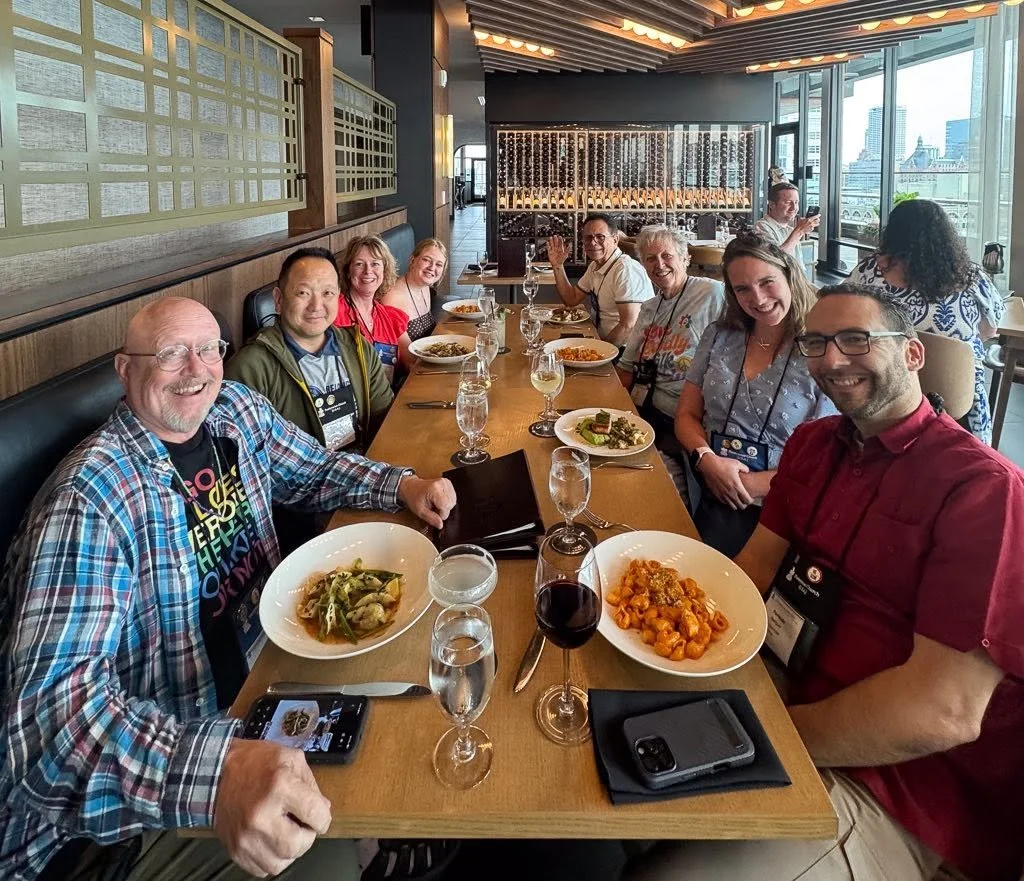
I was honored to be selected to represent Denver Presbytery as one of our Ruling Elder Commissioners (REC) at GA227 in Milwaukee, WI. Thinking back, three things stand out to me as the most significant experiences running through our two weeks together: Connections, the Work, and Daily Worship.
Connections
We’ve all heard it said that the PCUSA is a connectional church. From its basic structures—Congregation, Session, Presbytery, Synod, General Assembly—to the personal bonds we develop in our shared ministry, there is nowhere quite like a General Assembly to remind you of that truth.
From the moment our three days of Zoom committee work began, I felt those threads pulling together:
Our committee parliamentarian, Bill Wildhack, had actually chaired the committee I served on back in 2018 at GA223 in St. Louis.
Out for a stroll on the Friday evening before we began in-person work, I ran into a pastor from Michigan, Jennifer Saperstein, looking for registration. In our brief chat, we realized she grew up in Greeley and served as Clerk of Session at Family of Christ Presbyterian Church—the very church where my wife Nancy and I were married, and where Nancy’s mother and sister were members! To make the world even smaller, she and my current pastor at St. Paul, Jim DeMent, had been seminary study partners.
Not a day went by without connecting with someone I knew through Denver Presbytery, or folks who worked alongside my pastor daughter.
I was also truly blessed to form deep new friendships with the rest of our Denver commission: Raafat, Kiersten, Beth, and Grace.
The Work
The actual work of GA is long, challenging, and incredibly fulfilling. I was assigned to the Theological Education and Ordination Committee (ORD).
After an initial orientation, we convened over Zoom to address sixteen overtures and reports. Days were long—often 10 to 12 hours. Several routine items moved quickly to the Consent Agenda, such as approving seminary board minutes, authorizing seminaries to administer the Lord’s Supper, and confirming newly elected seminary presidents.
The heaviest lift for our committee was reviewing the comprehensive report from the Task Force to Explore the Theology and Practice of Ordination. The Task Force brought forward wide-ranging recommendations to align our ordination, commissioning, and membership practices with the realities of a changing church. Their work focused on identifying structural barriers in traditional systems and opening pathways for broader inclusion—ranging from updated readiness assessments and ordination examination options to expanding voice and vote for commissioned pastors and new worshiping communities.
Navigating all of this required patience, careful discernment, and a steady reliance on Robert’s Rules of Order. At times it was tedious, but seeing the whole Assembly deliberate and ultimately adopt these measures in plenary was a powerful blessing.
Daily Worship
On Sunday, we dispersed across the Milwaukee area. I visited Calvary Presbyterian (known locally as the "Big Red Church")—a landmark inner-city congregation led entirely by Ruling Elders. With limited resources, they do remarkable ministry: hosting community spaces, feeding neighbors, and supporting unhoused youth. (And true to Wisconsin hospitality, they treated us to brats, cheese curds, and root beer for lunch!)
Beyond Sunday, every single committee meeting and plenary session was anchored in worship and song. There was so much singing, and it kept us grounded in the Gospel as we tackled tough decisions. The closing worship on Thursday was anchored by an incredible, prophetic sermon by the Rev. Laura Mariko Cheifetz—I highly recommend looking it up on YouTube.
I return home deeply grateful for the experience, inspired by the work of the broader church, and thankful for the privilege of serving the Denver Presbytery.
August 15th Assembly Highlights
Click on image for printable pdf version.
Opening Information and New Minister Introduction
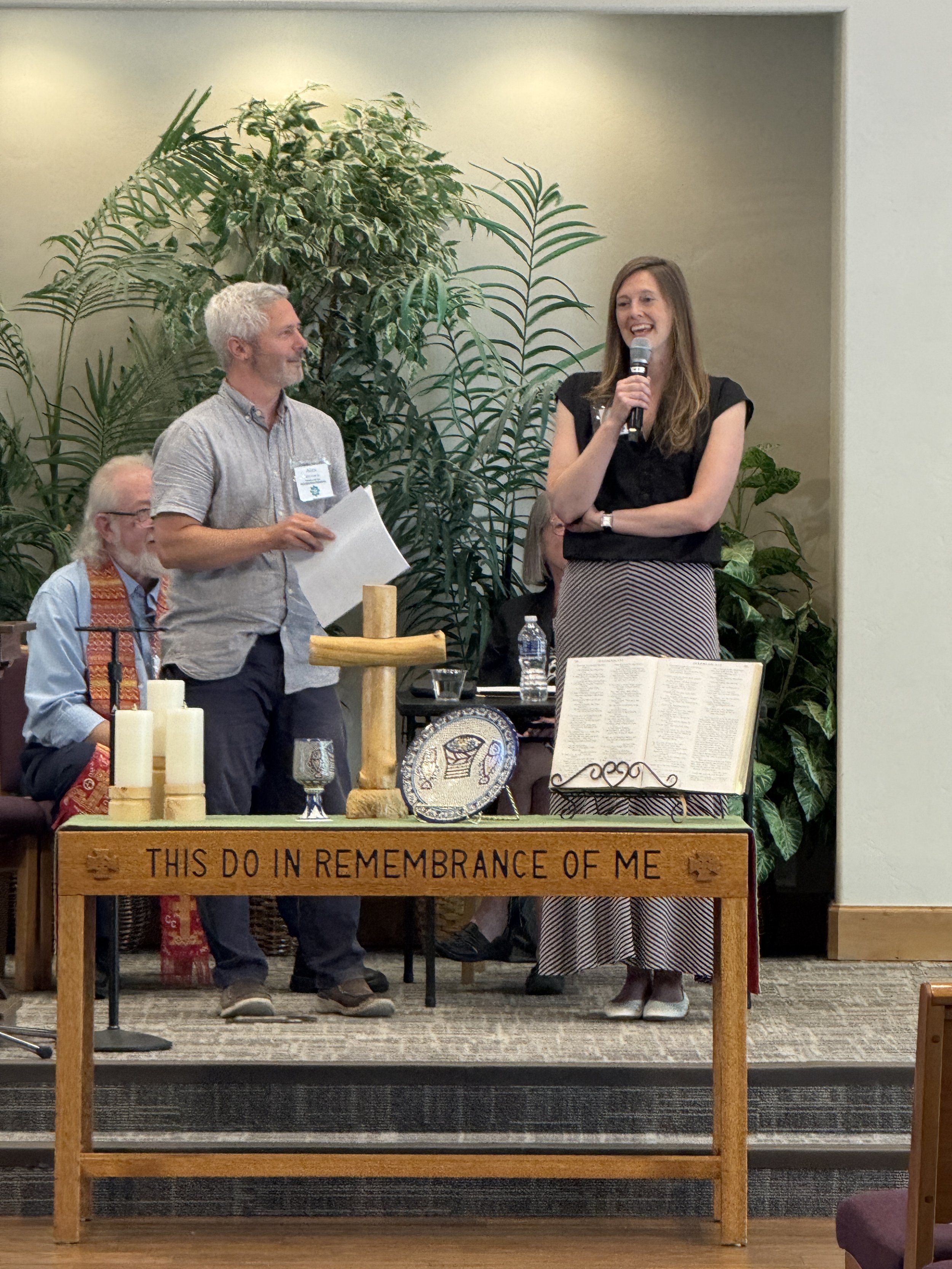
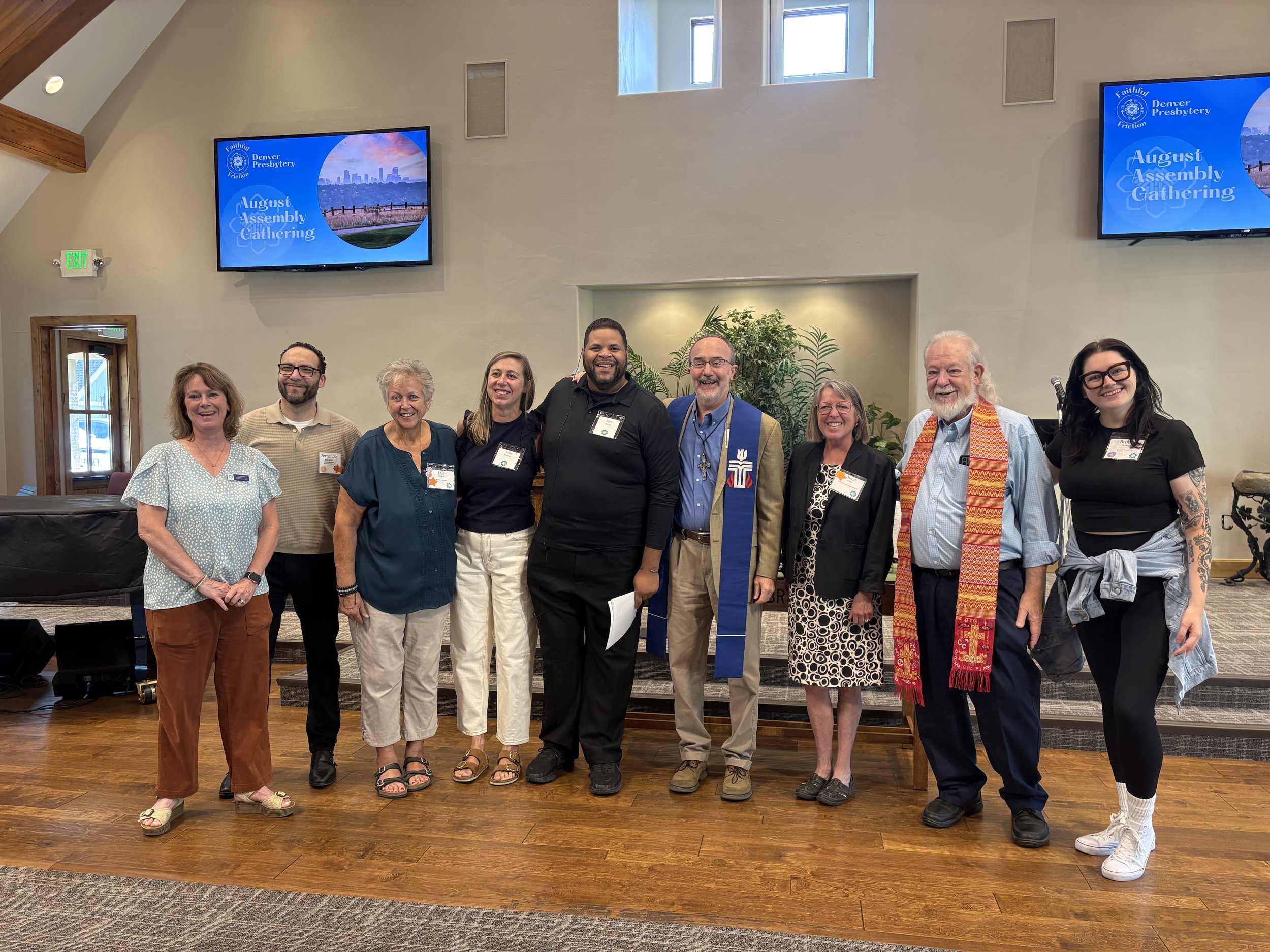
Moderator Chris Wineman opened the Assembly with prayer, acknowledged the Stated Clerk Pro-Tem RE Anne Bond, invited Eagle River Presbyterian Church Pastor Brett Gudeman to offer a welcome and Land Acknowledgement, explained the work of the Community Cooperative in the translation services and welcomed corresponding members and new elder commissioners.
Rev. Dr. David Hogue, Moderator of the Ministry Relations Committee introduced two new minister members of the Presbyter of Denver: Rev. Alex Wimberly, Co-Pastor at Montview Boulevard Presbyterian Church and Rev. Kiran Wimberly, Member at Large. The. Moderator introduced our two special guests for the day: Dr. Jeni Rinner and Professor Jon Hurst, both of Iliff School of Theology, who led our worship and our generative time.
Transition of the Stated Clerk
Visionary Leadership Commission Moderator Russ Kane and Lead Presbyter Dee Cooper gave a report on the issues surrounding the most recent transition in the office of the Stated Clerk. They briefly described the challenges faced by both Rev. Chu in his inexperience as a clerk, and those of the staff trying to meet the expectations of the presbytery for his work. Rev. Chu was provided with three coaches to help his professional growth in specific areas of the clerk role. He submitted his resignation with the awareness that this work was beyond his experience at this time.
A leadership team reached out to contract with RE Anne Bond and Rev. Dr. Greg Goodwiller to fulfill the needed roles of clerk in the coming months as a search for an Interim Stated Clerk began.
The team announced that an Interim Stated Clerk was hired by the VLC at its last meeting: Rev. Dr. Melissa Allison, currently Stated Clerk of the Presbytery of Detroit, will begin work on September 14 on a one-year renewable contract, during which time a leadership team will assess the recent issues of the Stated Clerk and make recommendations for future hiring practices.
By-Laws Change Related to the Presbytery Treasurer
The Presbytery approved by a 2/3 vote the following replacement of the Presbytery By-Laws 3.17a with the following new wording: “The Treasurer shall be a person elected by the Presbytery who possesses the experience, competence and integrity required to fulfill the responsibilities of the office.” The approval authorized the Treasurer Search Committee (which has received no applications within former by-Law requirements) to broaden and publicize the search for a new Presbytery Treasurer to begin work in January 2027. Thanks were extended to RE Sarah Savage for her work as the Interim Treasurer in 2026.
Worship and Generative Time
The Presbytery moved into a time of music and worship with a focus on the theme of Overcoming Wealth and Poverty. Dr. Rinner shared an introduction to the work of the day and a poem by Gwendolyn Brooks: The Children of the Poor. Professor Hurst preached a reflection “ Stand Up and I will Speak with You, Reflections on the Journey Ahead” from Ezekiel 2:1-4.
During the Generative Time, participants were invited to reflect on their personal identity in a wide range of questions about past and family roots.
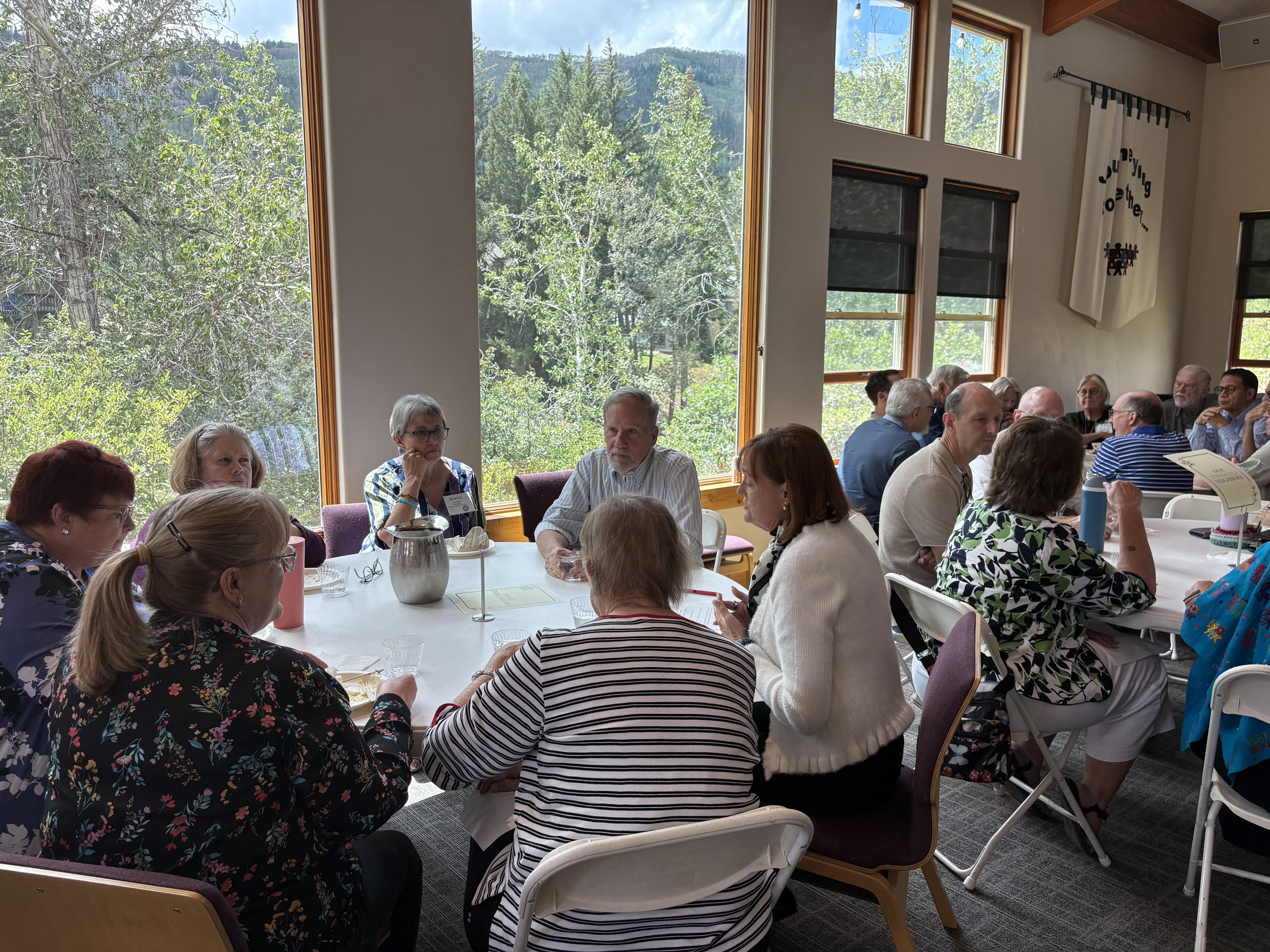
Lunch roundtables
Over lunch, assembly participants were invited to select a table for specific conversations about how we provide outreach and support to those groups and individuals we wish to help and how this benevolence model might not be as inclusive or helpful as we hoped.
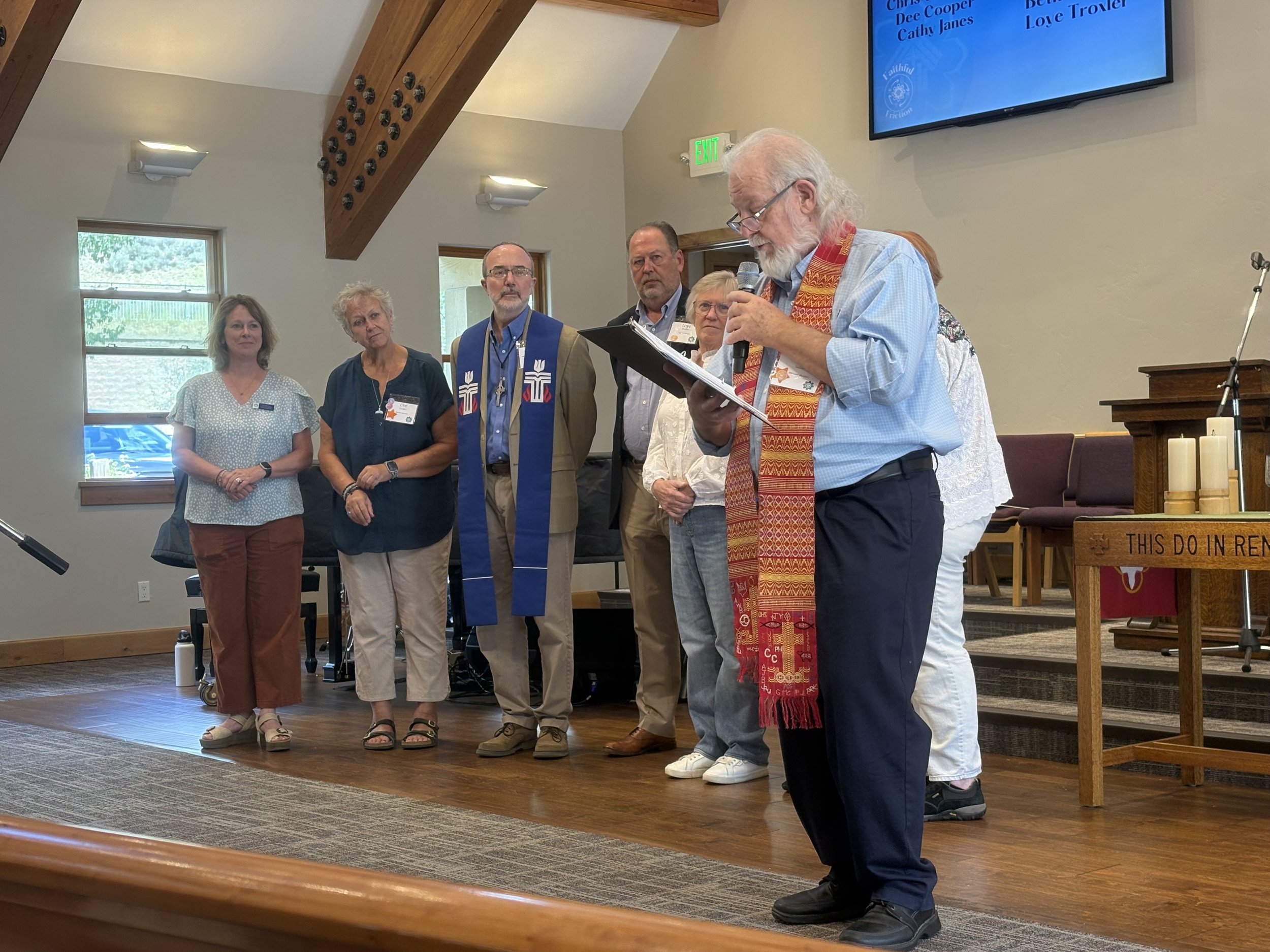
Delegate Commissioning
Delegates to the two upcoming Presbytery trips were commissioned to their work on behalf of the Presbytery of Denver. The Guatemala Mission Partnership will travel to install their tenth water system for rural communities and the Partnership of Denver and Zimbabwe Presbyteries will continue our twenty-year collaboration in ministry to strengthen our connectional commitment.
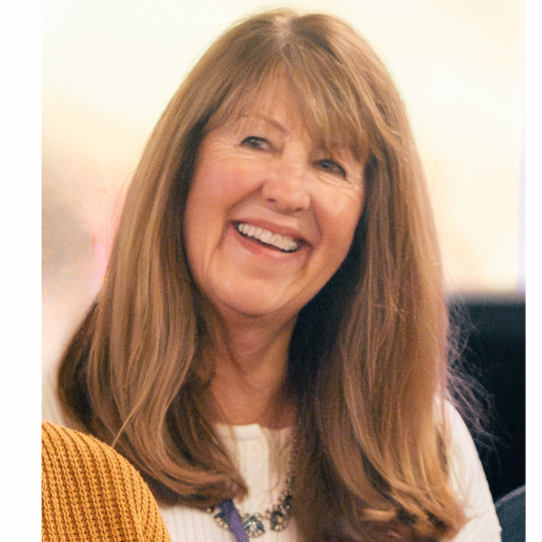
Rev. Sheri Fry will be our next Vice Moderator
Servant Leader Development Committee (Committee on Representation)
The SLDC brought forward a motion to elect the Rev. Sheri Fry as the Vice-Moderator of the Presbytery of Denver for the year 2027. The motion passed.
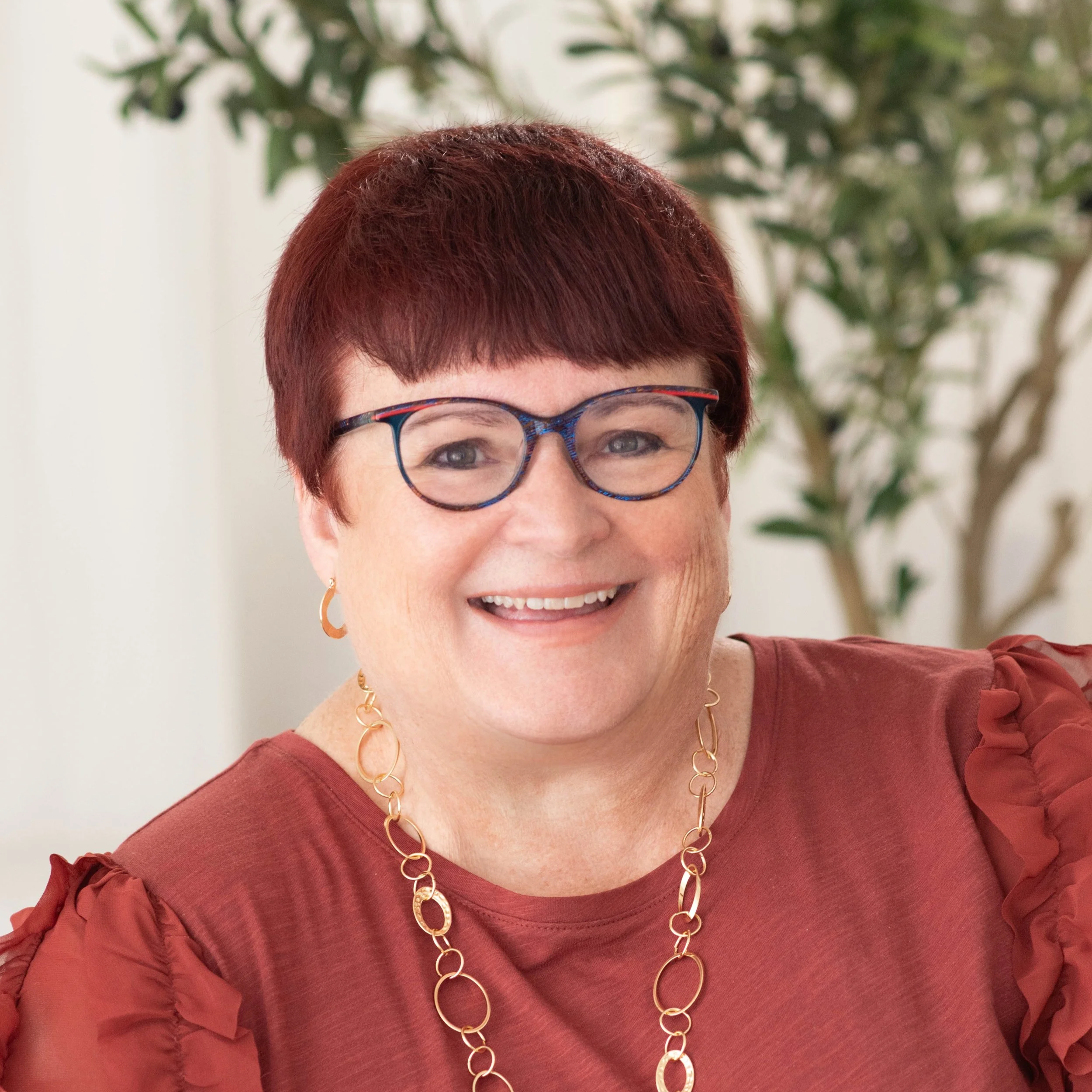
Rev. Denise Shannon will be the Pastor at Westminster Presbyterian Church.
Ministry Relations Committee
The Ministry Relations Committee brought forth the following motion:
“The Ministry Relations Committee of the Presbytery of Denver requests that the Presbytery concur with the vote and request of the congregation of Westminster Presbyterian Church that the Rev. Denise Shannon was moved from the status of Designated Pastor to that of Pastor effective today, August 15, 2026.”
The motion passed with more than the required 3/4 vote.
Updates on Stated Clerk Transition
Dear Denver Siblings,
We are excited to share an update regarding the Stated Clerk transition. We have recently updated the FAQ document to provide further clarity around this process.
We are also thrilled to announce that, starting September 14th, the Rev. Dr. Melissa Allison will serve as our Interim Stated Clerk. Melissa brings a wealth of experience, wisdom, and dedication to this role, and we are confident that she will serve us well during this important season of exploration and discernment.
You can learn more about Melissa below and watch welcome video→
Blessings,
Dee Cooper, Lead Presbyter and Head of Staff
Julia Henderson, Moderator of the Staffing Resources Committee
Russ Kane, Moderator of the Visionary Leadership Commission
Frequently Asked Questions
What happened?
The Rev. Joe Chu has resigned from his elected role as Stated Clerk of Denver Presbytery. His final day of service will be August 14. We are sorry to see him go and wish him well in the future.
Why did Joe resign?
Joe concluded that the position was not the right fit for his current skills and experience and that the Presbytery needs a Stated Clerk with greater experience and expertise in the role. He determined that stepping down was in the best interest of the Presbytery.
What efforts were made to support Joe?
Once Joe began as our Stated Clerk, it gradually became apparent that there were extreme gaps between his current skillsets and what was stated that was needed for this position. Dee convened a support team who met regularly with Joe to identify areas requiring additional learning and development. Specialized Stated Clerk coaches were engaged, committees were notified, training with the national office was encouraged, and a plan for continued growth was being developed. Those efforts were ongoing up to the point of Joe’s resignation.
How could this happen after an extensive search process?
That question deserves a careful review rather than a speculative answer. We have initiated a process that will examine the search, selection, onboarding, supervision, and support processes so that we can better understand what happened and learn from it. Those findings will be presented to the Presbytery before beginning the next Stated Clerk search.
Why did the Presbytery have Joe’s installation and celebration if he was going to resign?
While it was known that Joe had a substantial amount to learn, it was also believed that he was making progress and that the additional coaching and support could help him grow into the role. His decision to resign came afterward and was not known when the installation and celebration took place.
What happens next?
Dee and the VLC are arranging short-term coverage for the immediate and essential work of the Stated Clerk. This includes:
Anne Bond, Ruling Elder and former Stated Clerk has been contracted as Stated Clerk Pro Tem for presbytery organization and assemblies.
Rev. Dr. Greg Goodwiller has been contracted as Standing Stated Clerk for current judicial processes.
Prospective, Interim Stated Clerks are being considered. As per our by-laws(citing) , once a suitable candidate has been identified, the VLC will approve them as Interim Stated Clerk (Presbytery approval is not needed for naming an Interim Stated Clerk).
Sudden departures like this can be very disruptive. Extensive efforts (primarily by Dee and the Staff) are being made to ensure the continuity of current work, file access and security clearances are being managed, committees, work teams and denominational agencies are being notified. Please extend grace to each of them as they are committed to resourcing you and have a great deal added to their plates.
When will we begin our search for a new Stated Clerk?
Before we begin the search for a new Stated Clerk, we want to better understand our current situation. A process has been initiated to discern the factors that contributed to it and a report will be presented to the Presbytery before a search for a new Stated Clerk begins.
Introducing our New Interim Stated Clerk
In the meantime, the VLC has hired the Rev. Dr. Melissa Allison as the Interim Stated Clerk. Melissa brings extensive experience, skills, and knowledge to this role. She will begin on September 14th, working remotely. Additional documents are available to provide more information about her background. Click button below to learn more about Melissa.
Melissa will step into the leadership role at Denver Presbytery, ensuring continuity and progress. We have agreed on a one-year contract and are excited to welcome her to our staff and leadership team.

Reflections from the 227th General Assembly
By Rev. Kiersten Hill
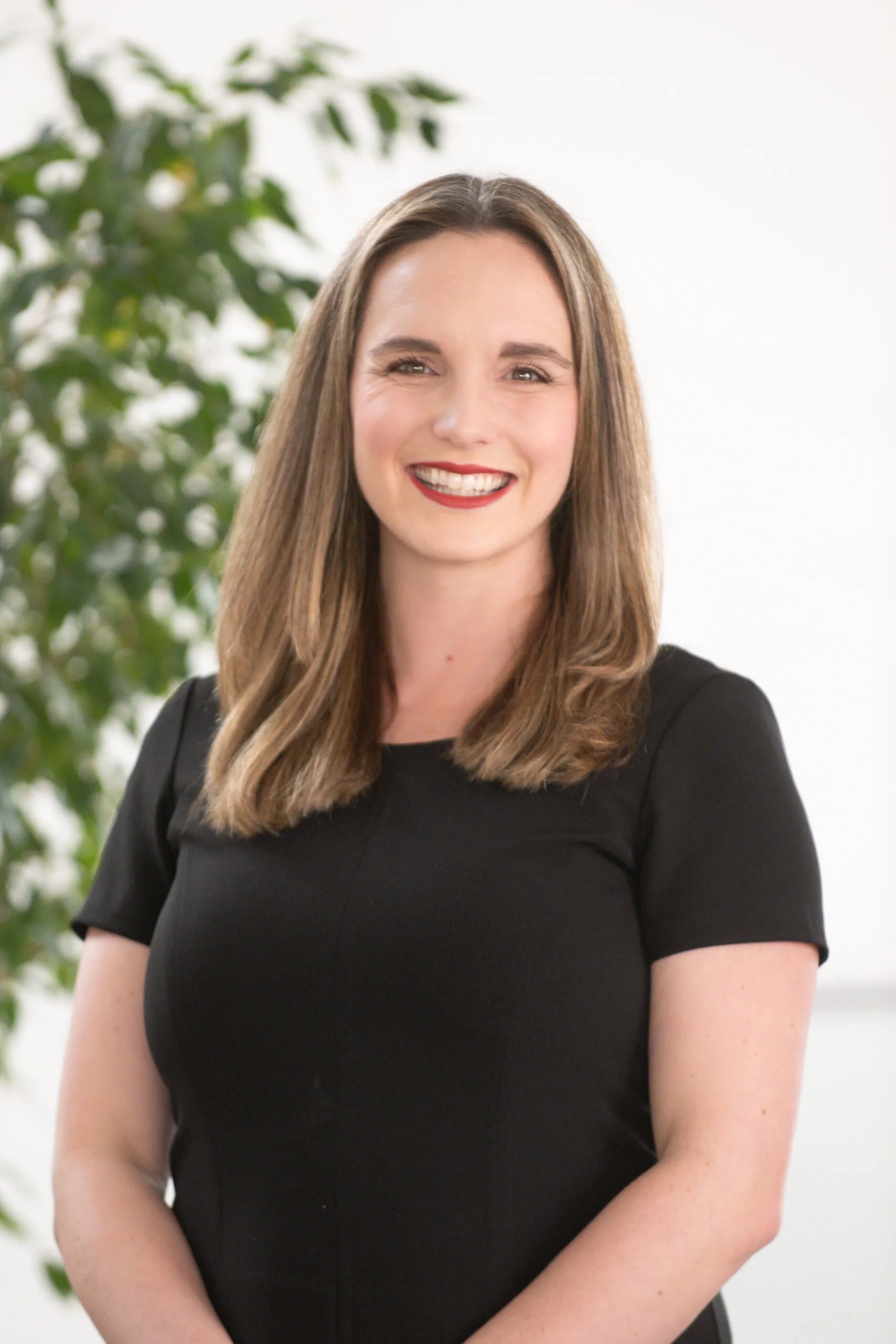
Rev. Kiersten Hill, Commissioner to 227th General Assembly served on Gender and Sexuality Justice Committee
Serving as a Teaching Elder Commissioner at the 227th General Assembly was a true joy and privilege. During my time there, I served on the Gender and Sexuality Justice Committee. While our committee considered nine distinct items of business, I’d like to highlight a few key developments and takeaways that speak to where our denomination stands today.
Standing for Accountability and Survivor Support
First, several key overtures regarding sexual abuse, accountability, and survivor support—specifically GEN-03, GEN-04, and GEN-05—were passed on the consent agenda. Seeing these items approved with broad alignment reflected a meaningful denominational commitment to these critical issues.
Supporting Gender-Affirming Care
Our committee also discussed several items pertaining to the inclusion of our LGBTQIA+ siblings. A standout moment occurred with the passage of GEN-02, in which the General Assembly declared that the PC(USA) supports access to all medically necessary, evidence-based gender-affirming healthcare for all individuals.
A particularly moving moment during this process came directly from our Young Adult Advisory Delegates (YAADs). After meeting to draft an amendment, they advocated to remove the explicit phrase "including minors" from the overture's original text. Their rationale was thoughtful and protective: time and again, minors bear the brunt of painful debates surrounding healthcare access. Because "all individuals" already includes minors, removing the specific phrase helped insulate young people from becoming targets of public dispute.
When GEN-02 reached the plenary floor, it passed without a single statement made against the declaration.
"My eyes welled up with tears after GEN-02 passed, because I realized that no one made an argument against minors receiving gender-based care. As a parent of a trans child, I can’t express how meaningful that was to me."
— A fellow committee member's reflection
Nuance in the Search and Call Process
Another significant discussion centered on GEN-06, a recommendation from the Advocacy Committee for LGBTQIA+ Equity (ACQ+E). The proposal directed the Unified Agency to create a mechanism in the call process allowing congregations to indicate their readiness to call LGBTQIA+ candidates.
While intended to support candidates, the floor debate brought crucial nuance to light. Commissioners—including queer candidates currently seeking or preparing to seek calls—shared personal stories highlighting how explicit opt-in or opt-out mechanisms might inadvertently create unintended gatekeeping or harm. Though the recommendation ultimately passed, the dialogue provided valuable, raw insight into the complexities faced by LGBTQIA+ leaders across our church.
Looking Forward: Theological Frameworks
Finally, the assembly approved GEN-09 ("Beyond Changing Families: Flourishing Relationships and Belonging"). This initiative directs the development of two comprehensive theological frameworks addressing:
Human sexuality and gender
Relational dimensions, including marriage and family structures
These frameworks will be reported back to the 228th General Assembly, continuing our denomination's ongoing commitment to welcome, include, and celebrate all of God’s children.
A Final Note of Gratitude
Attending General Assembly was an incredible experience that deepened my appreciation for Presbyterian polity, blessed me with wonderful new friendships, and filled me with renewed hope for the future of the PC(USA).
If you ever have the opportunity to serve or attend a future General Assembly, I cannot recommend it highly enough!

How Does General Assembly Work?
A Quick Guide
Ever wonder how decisions and policy changes actually happen in our church? It all starts at the local level and works its way up to the General Assembly (GA), which meets every two years. Here’s a quick look at how the process flows:
From Local to National: Recommendations for action—called overtures—begin in local church sessions. If passed, they move to the Presbytery, which can then vote to send them on to the General Assembly.
Committee & Plenary Review: Once at GA, every overture is first assigned to a dedicated committee for deep discussion and refinement. Key items are then brought to the full gathering (plenary) for debate and a vote.
Bringing It Back Home: Passing at GA is often just the middle step! Overtures that are approved will be compiled into a booklet and sent back to the Presbyteries this fall for final ratification.
Later this year or early next year, our Presbytery will review and vote on each item (requiring a simple majority to pass--known as ratification or concerrence). Stay tuned for details on how you can follow along and participate!